Almond nails have a tapered silhouette that can make the fingers look longer and give a manicure a more styled finish. The concern is that the shape may look too pointed, too long, or out of balance on your hands.
Almond nails can suit many hands, but the right length, width, and taper matter more than hand size alone. This guide explains how to assess your nail beds, finger proportions, preferred length, and daily routine before choosing an almond set.
Quick answer: Start with short or medium almond if you are unsure. Check that each press-on covers the natural nail from sidewall to sidewall, then consider how the length will feel while typing, cooking, driving, or exercising. A poor result often comes from incorrect sizing or excessive length rather than the almond shape itself.
- Short almond: a practical starting point with a visible but controlled taper.
- Medium almond: a more noticeable lengthening effect with moderate daily practicality.
- Long almond: a stronger statement that needs more care during manual tasks.
- Glue: the better option for longer wear when prep and fit are correct.
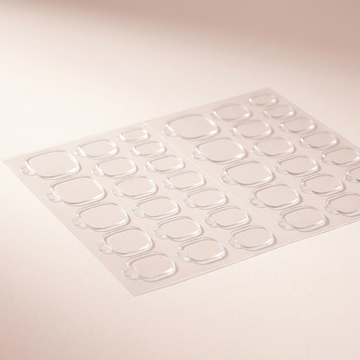
- Adhesive tabs: better for short-term wear and easier removal.
Do Almond Nails Suit You? The Short Answer
Almond nails are usually a strong option when you want a tapered, lengthening silhouette and can choose a proportionate length. Short fingers can wear almond successfully, wider nail beds can look balanced in a gradual taper, and larger hands can support several almond lengths.
There is no single hand shape that determines the answer. Nail-bed width, natural nail length, finger proportions, the press-on size, and your daily activities all work together. A longer almond may look elegant in a photograph but feel impractical if you type, cook, drive, or work out frequently.
For a first attempt, short or medium almond is usually easier to assess than a dramatic long set. Look at the nails from the front and side, and move your hands normally before deciding that the shape does or does not suit you.
What Usually Determines the Result?
The result depends mainly on nail-bed width, natural nail length, almond taper, accurate sizing, and the amount of length your routine allows. These factors affect both the appearance and the comfort of the manicure.
- Nail-bed width: the press-on should cover the natural nail without pressing into the skin or leaving large gaps at the sides.
- Finger proportions: a visible taper can lengthen shorter-looking fingers, while excessive length can overwhelm a smaller hand.
- Almond length: the nail needs enough length for the taper to be visible, but it does not need to be dramatically long.
- Sizing: a press-on that is too narrow can make the tip look detached or overly sharp.
- Lifestyle: frequent manual activity usually calls for a shorter shape and a secure adhesive method.
Compare short, medium, and longer almond proportions rather than judging the shape from one inspiration image. Your natural nail bed and the way you use your hands will change the final balance.
What Makes Almond Nails Different From Oval Nails?
Oval nails have a softer, rounder tip, while almond nails taper more noticeably toward a narrower point. Both shapes can create a lengthening effect, but almond looks more defined and styled.
The sidewalls and tip determine how sharp the result appears. A gradual taper gives an elegant almond outline. A narrow press-on placed on a wider natural nail can make the tip look too pointed, while a longer press-on can make the entire hand appear more elongated than intended.
Oval is generally easier to keep short because its rounded tip remains visually complete with less length. Almond needs enough length for the sides to narrow visibly, although a short almond can still provide the shape without requiring an extreme extension.
To compare styles suited to your proportions, you can browse Almond Press-On Nails and consider how the outline would look from the front, side, and during normal hand movements.
Signs Almond Nails May Not Be the Right Fit
Almond may feel or look wrong when the tip is too long for the nail bed, the taper overwhelms the hand, or daily tasks become difficult. These signs usually point to a proportion or application issue that can be corrected.
| Sign | Likely cause | Better fix |
|---|---|---|
| The tip looks detached from the finger | The press-on is too narrow or the size does not match the natural nail | Measure the widest part of the nail and choose the closest size that covers the sidewalls |
| The almond looks unusually sharp | The taper is too narrow for the nail bed or the length is too dramatic | Try a softer almond, a shorter length, or a wider size with a gradual outline |
| The sides look bulky | The press-on is too wide or is sitting above the natural nail | Check the fit before applying and file only minor excess after placement |
| The hand looks visually unbalanced | The length is disproportionate to the finger or hand scale | Reduce the length and compare short or medium almond |
| Typing or cooking feels awkward | The length is too long for the routine | Choose short almond or a rounded shape for more practical movement |
Do not force a longer set because it looks attractive on someone else. A shorter, correctly sized almond can look more intentional than a dramatic length that interferes with your routine.
Do Almond Nails Suit Short Fingers?
Short fingers can suit almond nails when the length is controlled and the taper follows the natural nail line. Short or medium almond can create a longer-looking silhouette without requiring a very long extension.
The key is proportion. A modest taper can draw the eye along the length of the finger. A very long almond can have the opposite effect by making the nail look heavier than the finger beneath it.
Start by placing a short or medium almond over the natural nail without adhesive. Look at the hand as a whole, rather than judging one finger in isolation. If the nails extend far beyond the fingertip or make ordinary movement feel awkward, reduce the length before changing the shape.
Do Almond Nails Suit Wide Nail Beds or Wider Fingers?
Almond can work on wider nail beds when the press-on covers the sidewalls correctly and the taper is gradual rather than sharply narrow. Width should be assessed at the widest part of the natural nail, not at the tip.
An undersized press-on can leave visible gaps and create a floating-looking tip. It may also make the almond point appear more pronounced because the nail narrows too quickly from an already narrow base.
Choose the closest size that covers the natural nail without pressing into the surrounding skin. If a size is slightly wider, minor side filing can sometimes improve the fit. A size that is too narrow is harder to correct cleanly, so accurate measurement matters more than choosing a smaller nail for a slimmer appearance.
Do Almond Nails Suit Long Fingers, Small Hands, and Larger Hands?
Long fingers can carry medium or longer almond, while small hands often look more balanced with short or medium lengths. Larger hands can support a range of almond proportions, provided the nail width and length work together.
| Hand or finger characteristic | Suitable almond direction | Point to watch |
|---|---|---|
| Shorter-looking fingers | Short to medium almond for a controlled lengthening effect | Very long nails may overwhelm the hand |
| Long fingers | Medium or longer almond when daily tasks allow | Check that the length does not make the hand look overly narrow |
| Small hands | Short almond with a moderate taper | Very wide or long sets can look visually heavy |
| Wider fingers or nail beds | A gradual almond with accurate sidewall coverage | A narrow base can make the point look too sharp |
| Larger hands | Short, medium, or longer almond depending on routine | Balance the width and length instead of focusing on hand size alone |
These are starting points rather than fixed rules. Place the set against your natural nails and assess the complete outline. The most balanced result is usually the one where the nail length supports the hand instead of dominating it.
How Much Length Do You Need for Almond Nails to Look Right?
Almond needs enough length for a visible taper, but the ideal amount depends on the natural nail bed and your daily routine. Short almond gives a subtle outline, medium almond shows the shape more clearly, and longer almond creates a stronger statement.
Short almond
Short almond is the most practical starting point for first-time wearers. It gives the nail a tapered finish while remaining easier for typing, cooking, driving, and workouts. It is also useful if your natural nail beds are short or your hands are frequently busy.
Medium almond
Medium almond offers a clearer lengthening effect without requiring the same adjustment as a long set. It can be a useful middle ground for readers who want the almond silhouette to be noticeable but still workable for everyday activities.
Long almond
Long almond creates the most visible taper and a stronger fashion finish. It needs more care around buttons, zippers, food preparation, sports, and tasks that put pressure on the tips. Choose it for occasions or routines where the additional length will not become a constant interruption.
Best Almond Nail Solution by Situation
Choose the almond length and finish that solve your actual wear situation, not only the look in an inspiration image. The best option changes depending on your experience, proportions, and plans.
| Situation | Recommended almond approach | Reason |
|---|---|---|
| First-time wearer | Short or medium almond | Lets you assess the taper without committing to difficult length |
| Short fingers | Short to medium almond | Creates a lengthening effect while preserving balance |
| Wide nail beds | Gradual almond with careful sizing | Provides sidewall coverage without an overly sharp point |
| Desk-based lifestyle | Short or medium almond | Offers a styled silhouette with less interference while typing |
| Frequent cooking, driving, or workouts | Short almond or oval | Reduced length is usually easier during repeated manual activity |
| Special event | Medium or longer almond if comfortable | Allows a more noticeable silhouette for a limited wear period |
| Short-term wear | Almond with adhesive tabs | Tabs are easier to remove and generally suit temporary wear of 1-7 days |
| Longer wear | Well-sized almond with glue and proper prep | Glue gives a stronger hold; soft gel press-ons can last about 2-3 weeks when fit, prep, lifestyle, and removal are handled correctly |
Adhesive choice changes the practical result. For longer wear, use a suitable amount of nail glue on clean, dry nails. For a short event or easier removal, adhesive tabs are the more suitable approach. They should not be treated as a method for two- or three-week wear.
Try Almond Press-Ons Before Committing to a Salon Shape
Press-on almond nails let you assess the silhouette, length, sizing, and comfort on your own hands before making a longer-term salon decision. This is useful if you are unsure how a pointed shape will work with your nail beds or routine.
Place each nail over the natural nail before applying adhesive. Check the front view for sidewall coverage, the side view for excess length, and your hand in motion while performing a few ordinary tasks. A press-on test cannot predict every salon result, but it can reveal obvious sizing and proportion problems early.
A Direct Product Option for Testing the Almond Look
Red Stardust Almond Press-On Nails offer a clearly defined almond shape with red and sparkled design cues. They are a useful visual test for readers who want to see how a noticeable almond silhouette works with their hands.
The red, stardust finish makes the shape easy to assess from a distance and in normal hand movements. Look at the balance of the almond outline first, then consider whether the more noticeable finish suits your usual wardrobe and occasions. The product page has the current details to check before ordering.
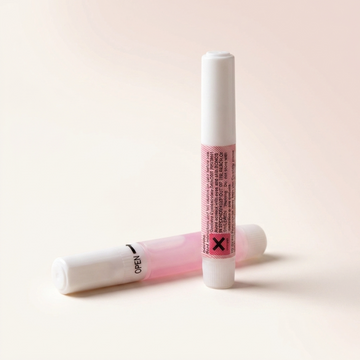
If you decide that the almond shape suits your proportions but want longer wear, Nail Glue for Press-On Nails (2g) is the relevant adhesive option to review. Glue usually gives a stronger hold than tabs, but it also requires more patient removal.
When to Choose Oval, Round, or a Shorter Shape Instead
Choose oval or round when you want a softer tip, less taper, or easier short-length wear than almond provides. This is not a judgment against almond; it is a practical adjustment when your priorities point toward a different outline.
- Choose oval when you like a lengthening effect but want a softer, rounder tip.
- Choose round when you keep your nails very short and want the edge to follow the fingertip.
- Choose short almond when you want visible taper with fewer obstacles during everyday tasks.
- Choose a different length when the shape looks balanced but feels awkward during typing, cooking, driving, or exercise.
The right alternative solves a specific problem. If the tip feels too pointed, soften the outline. If the hand looks overwhelmed, reduce the length. If the sides do not cover the natural nail, correct sizing before changing shapes.
How to Keep an Almond Shape Looking Balanced
Correct sizing, clean dry prep, suitable length, and gentle removal help the almond shape look intentional and stay wearable.
Check sizing before adhesive
Measure the widest part of each natural nail and compare it with the available press-on sizes. Do not select a narrow nail simply because it appears slimmer. Coverage from sidewall to sidewall creates a more natural base for the taper.
Prepare clean, dry nails
Oil, moisture, and residue can reduce hold. Wash and dry your hands, gently prepare the nail surface according to the product instructions, and avoid applying over damp or oily nails. Proper prep makes a noticeable difference to the result.
Match adhesive to your plan
Use glue when you want longer wear and are prepared to remove the nails carefully. Use adhesive tabs when you need temporary wear and easier removal. Soft gel press-ons can support about 2-3 weeks with glue and proper prep, but actual wear depends on fit, nail condition, lifestyle, length, and removal.
Remove patiently
Do not pull or pick off an almond press-on. Soften the adhesive and work slowly according to the removal instructions. Gentle removal helps preserve both the natural nail and the press-on if you plan to reuse it.
Frequently Asked Questions
Do almond nails make fingers look longer?
Almond nails can make fingers look longer because the tapered sides guide the eye toward the tip. The effect is strongest when the length and width are proportionate to the natural nail.
Yes. Short or medium almond can suit short fingers when the taper follows the natural nail line. Excessive length can look unbalanced, so begin with a controlled length.
Can wide nail beds wear almond nails?
Yes. Wide nail beds can wear almond nails when the press-on covers the sidewalls and the taper is gradual. A size that is too narrow may create gaps and an overly sharp tip.
What is the best almond length for beginners?
Short or medium almond is usually the most practical starting point. It makes the shape visible while allowing you to assess comfort during ordinary tasks.
Are almond nails practical for everyday tasks?
Short almond is generally easier for everyday tasks than a longer set. Typing, cooking, driving, and workouts become more demanding as nail length increases.
Is oval easier than almond?
Oval is often easier to keep short because its rounded tip remains visually complete with less length. Almond provides a more defined taper but needs careful sizing and proportion.
Conclusion: Are Almond Nails Right for You?
Almond nails are worth trying when their taper and length match your nail-bed proportions and daily routine. Nail-bed width, finger proportions, sizing, and lifestyle matter more than a simple rule about hand size.
For the next step, compare a short or medium almond set against your natural nails. Check the fit from the front and side, move your hands through ordinary tasks, and choose a longer version only if the shape remains comfortable and balanced.